Noida’s Under-Construction Boom
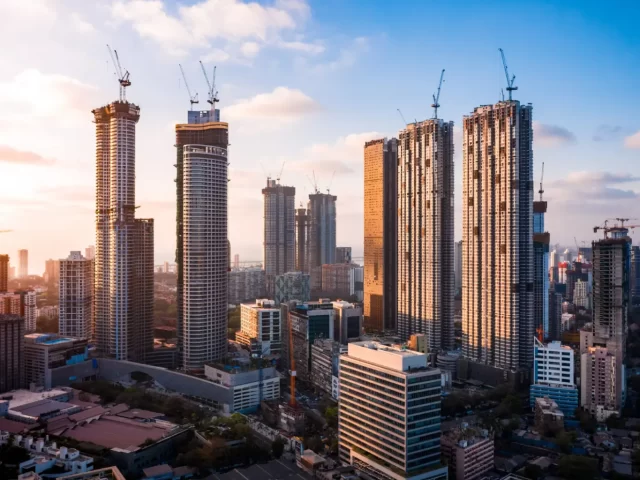
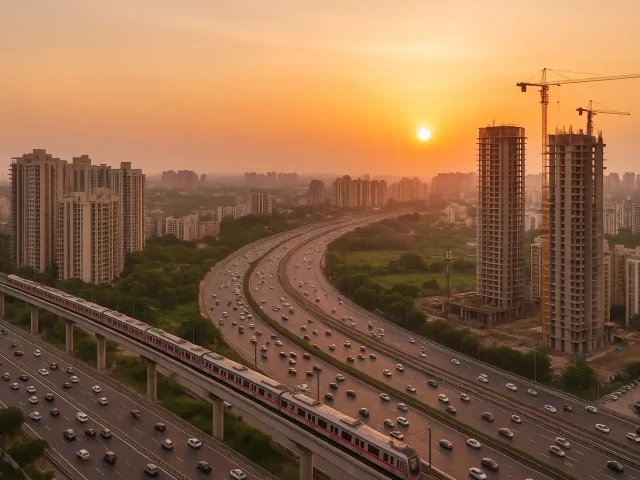
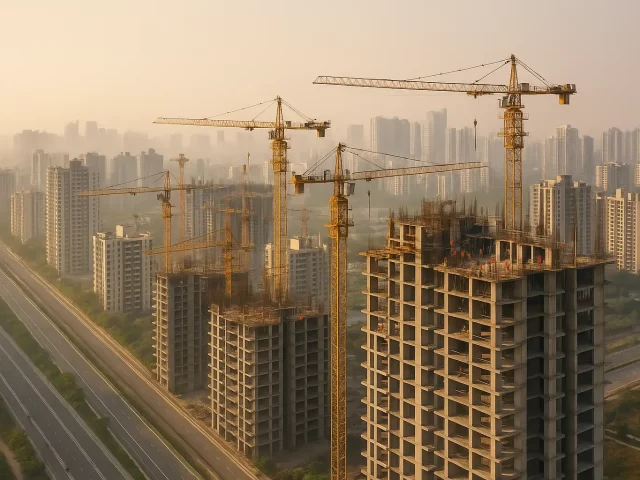
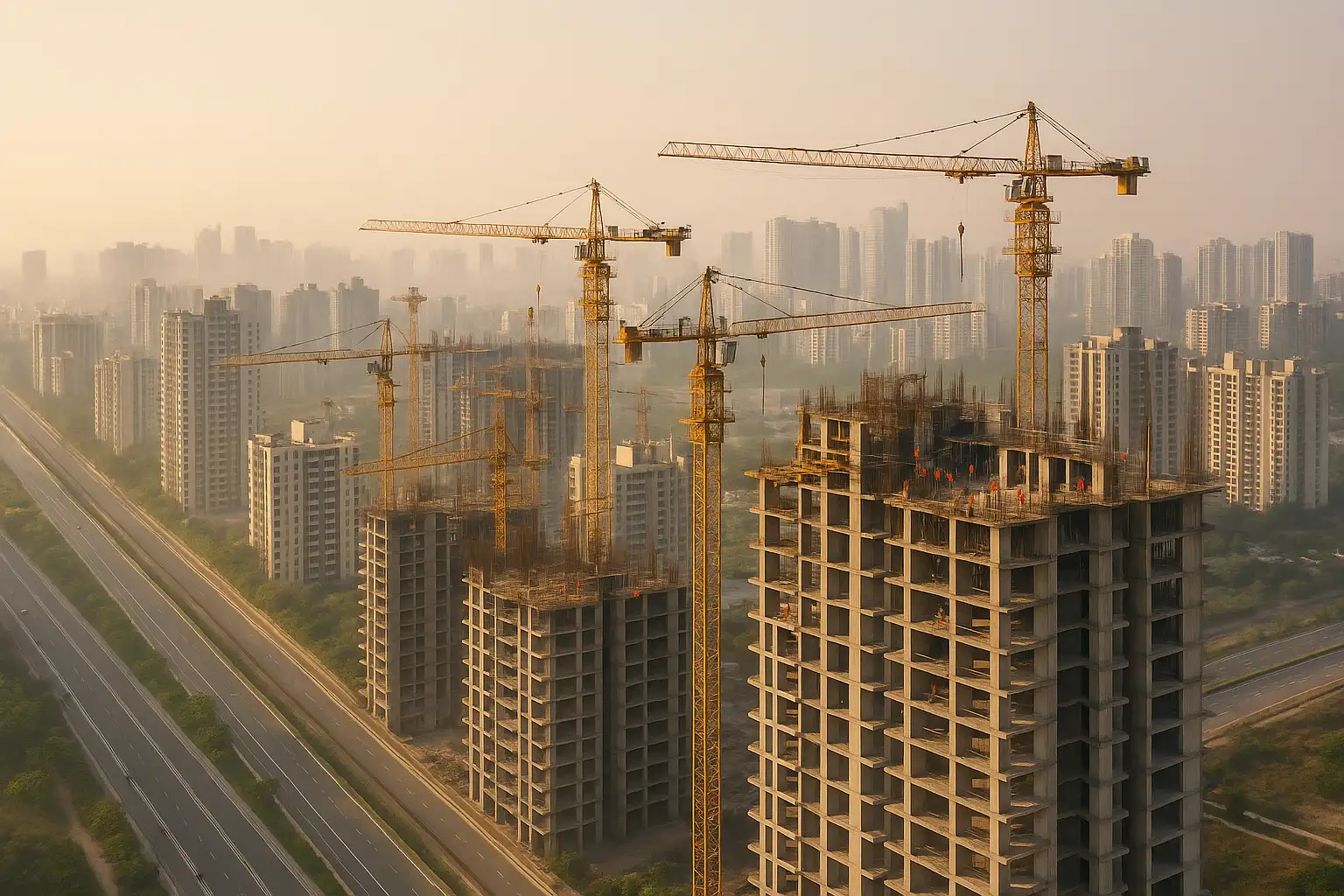
Noida has emerged as one of India’s most dynamic real estate hubs, fueled by rapid infrastructure growth, urban planning, and rising investor interest. With expressways crisscrossing the region, metro connectivity expanding, and mega projects like Jewar Airport and Film City in the pipeline, the city is witnessing a surge in new housing developments.
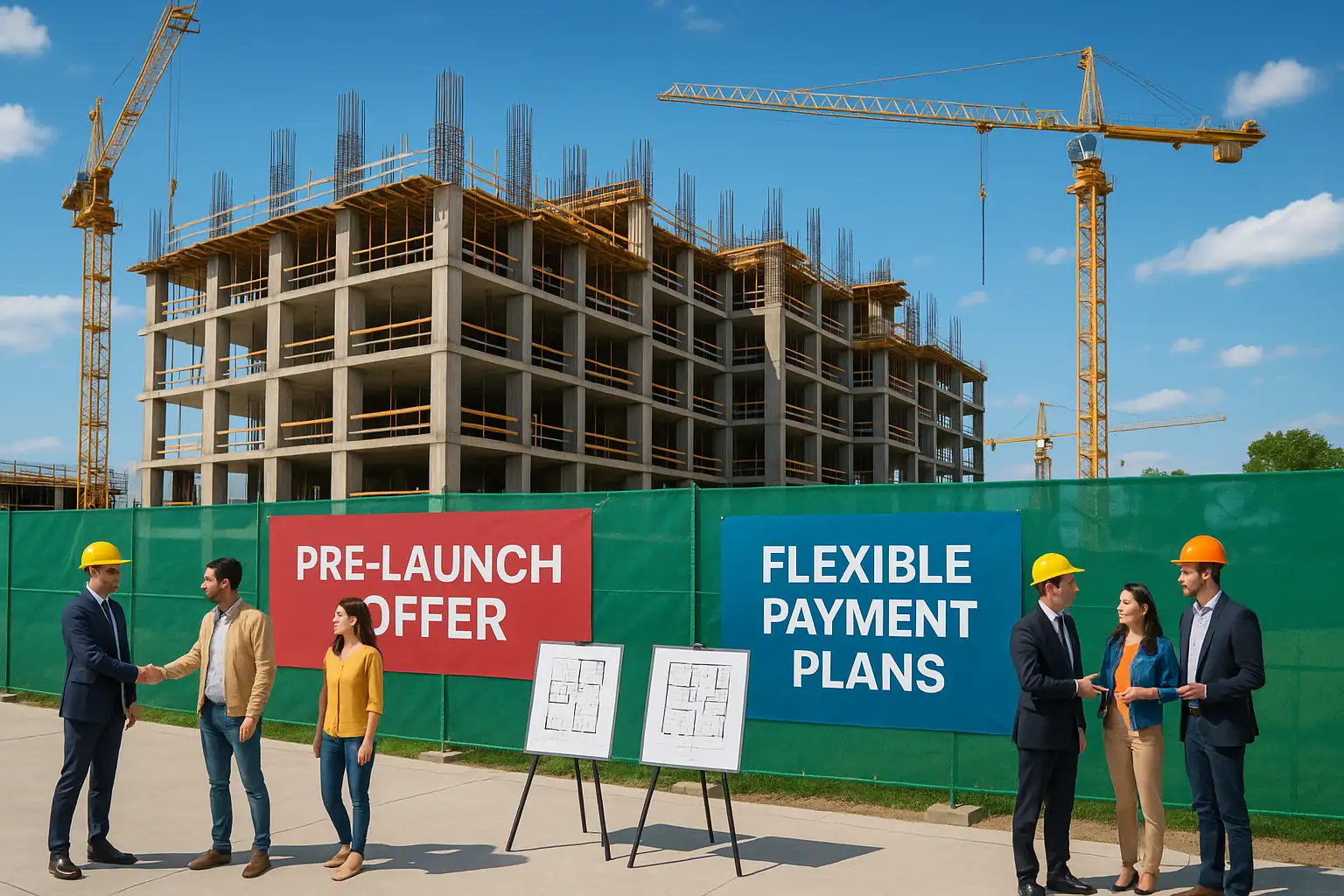
A significant portion of these developments falls under the under-construction category. These projects often attract buyers with lower launch prices, extended payment plans, and the promise of higher appreciation by possession. For many, it’s a chance to secure premium property at an early stage with better financial flexibility.
Yet, under-construction properties are not without risks. Project delays, regulatory hurdles, and builder credibility issues have left some buyers with stalled investments or uncertain timelines. The big question for today’s buyer is: Are under-construction projects in Noida truly safe in 2025?
This blog explores the realities of investing in such properties—highlighting benefits, pinpointing risks, decoding legal safeguards like RERA, and offering expert-backed tips to protect your money. Whether you’re buying for personal use or long-term returns, understanding the current landscape will help you navigate this decision with clarity and confidence.
Major Risks and Concerns
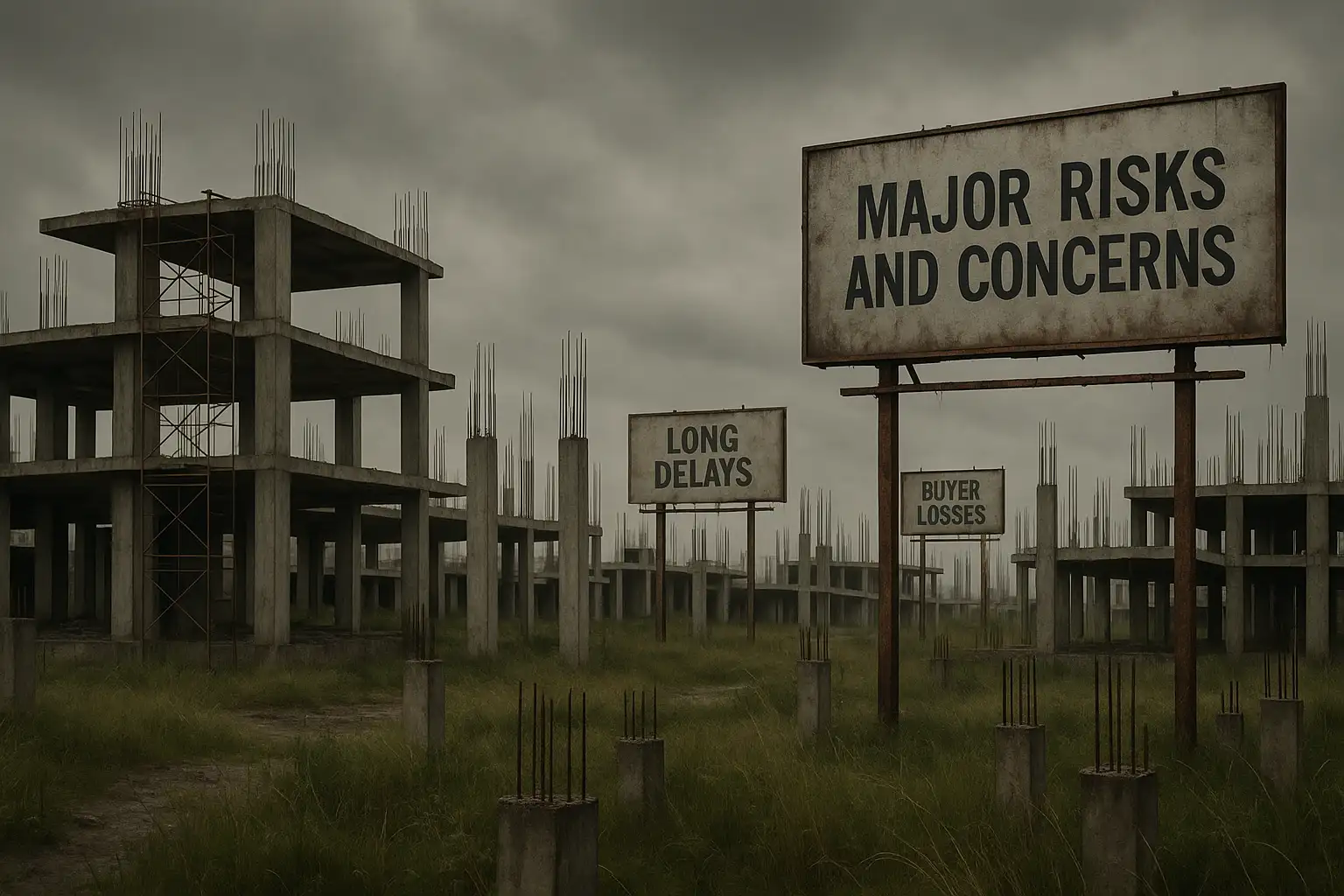
While under-construction projects in Noida offer promising returns and lower entry points, they also come with a distinct set of risks that investors must not overlook.
The most common concern is project delays. Despite regulatory measures like RERA, many projects still miss delivery timelines due to funding gaps, approval holdups, or construction bottlenecks. These delays can disrupt your financial planning, especially if you’re paying both rent and EMIs.
Another critical risk is builder insolvency or poor credibility. Several buyers have faced hardships where developers went bankrupt, left projects incomplete, or sold units without proper approvals. This is especially risky in newly developing sectors where fly-by-night operators are more prevalent.
Mismatch between promised and delivered quality is another recurring issue. While marketing brochures may showcase luxury amenities, the actual handover often falls short in terms of construction quality, fittings, or landscaping. Without proper documentation or inspection rights, buyers have little recourse post-possession.
There’s also location-specific risk. Certain upcoming sectors like 168, 151, or peripheral zones near the expressway may lack immediate social infrastructure — such as schools, hospitals, or retail outlets — making early years of occupancy challenging.
Lastly, regulatory changes and litigation around land titles, environmental clearance, or zoning laws can unexpectedly stall progress or impact property legality.
These risks don’t mean one should avoid under-construction properties altogether — but they do underscore the importance of detailed due diligence and cautious decision-making.
Legal Safeguards & RERA Protection
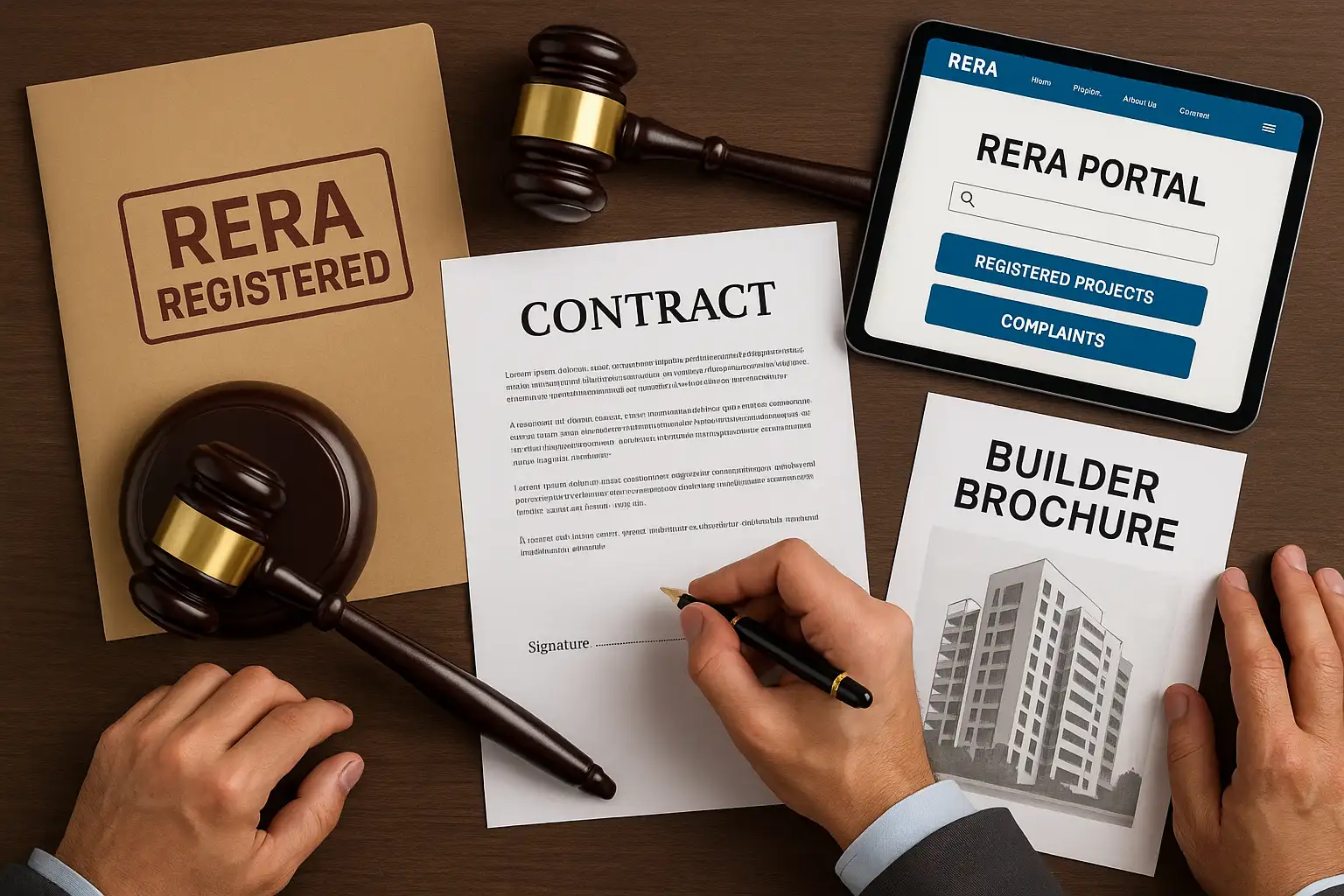
One of the most significant reforms in India’s real estate sector has been the introduction of the Real Estate (Regulation and Development) Act, or RERA, which has greatly improved transparency and accountability in under-construction projects. For buyers in Noida, this legal framework acts as a powerful shield against potential fraud, delays, and malpractice.
RERA mandates that all residential projects above a certain size must be registered on the official RERA portal. Each registered project is assigned a unique ID, where buyers can view critical information such as the layout plan, land title status, construction timeline, approvals, and even financial disclosures.
Importantly, RERA holds builders legally accountable for delivering the project on time. If delays occur, buyers are entitled to compensation or full refunds with interest. Builders are also required to rectify any structural defects reported within five years of possession, at no additional cost.
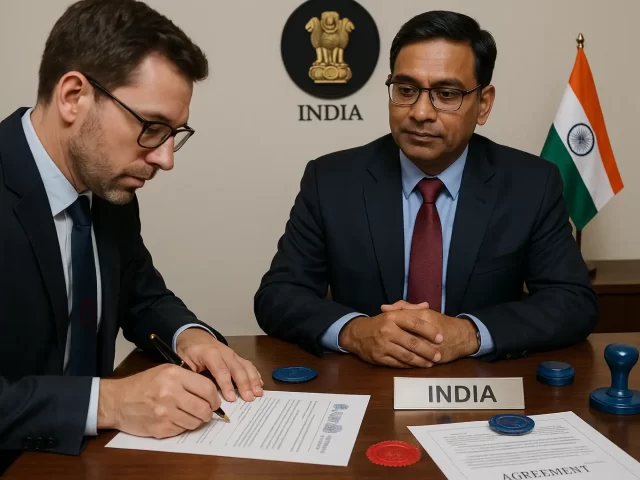
Beyond RERA, buyers should also verify legal documents such as land ownership titles, approved layout plans, environmental clearances, and builder-buyer agreements. Many reputable banks now sanction home loans only for legally vetted, RERA-compliant projects — which serves as an added filter for safe investments.
With these legal safeguards in place, the risk associated with under-construction properties is significantly reduced, provided the buyer makes informed choices and doesn’t ignore the fine print.
Best Practices Before You Invest
Investing in an under-construction property can be highly rewarding — but only when approached with diligence and a clear strategy. Relying solely on glossy brochures or sales pitches can be a costly mistake. Here are some best practices to safeguard your investment in Noida’s evolving property market:

-
Research the Builder’s Track Record: Always check the developer’s past projects for delivery timelines, construction quality, and customer reviews. Established names like Godrej, ATS, Tata, and Mahagun have stronger reputations for timely delivery and project execution.
-
Verify RERA Registration: Ensure the project is listed on the UP RERA portal. Use the unique registration number to cross-check project status, financial disclosures, and timelines. Avoid unregistered or pre-launch projects without approvals.
-
Inspect the Site Personally: Don’t rely only on online listings or sample flats. A physical visit helps assess the current construction stage, access roads, surrounding development, and future livability.
-
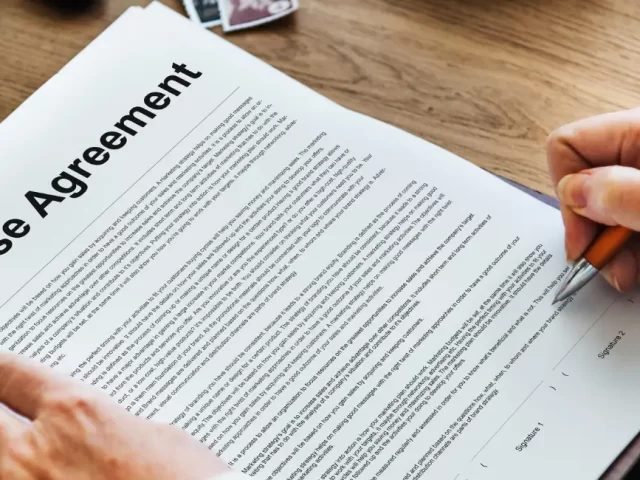
Consult a Real Estate Lawyer: A legal expert can review the builder-buyer agreement, title deed, and sanction plans to spot irregularities or hidden clauses that could pose risks later.
-
Prefer Bank-Approved Projects: Projects vetted by major banks have already undergone due diligence. It’s a safer bet, especially for first-time buyers.
-
Choose Projects Nearing Completion: If you’re risk-averse, opt for projects with at least 60–70% of construction completed. This significantly reduces the waiting time and lowers the risk of delays.
These practices act as a checklist for safer investment and should be treated as non-negotiable before making any payment or signing any agreement.
Government Infrastructure Push in Noida

One of the strongest reasons under-construction projects in Noida remain attractive in 2025 is the massive infrastructure development underway — led by both state and central government initiatives. These infrastructure projects not only boost livability but also directly influence the future value of nearby residential sectors.
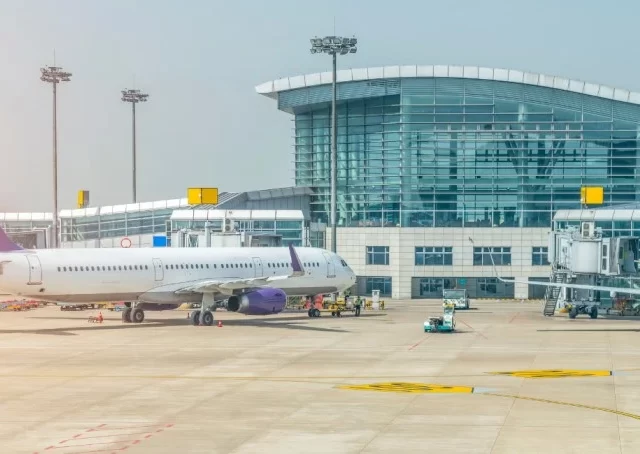
The most significant among them is the Noida International Airport at Jewar, which is set to become India’s largest airport. Its completion is expected to dramatically enhance connectivity and economic activity across the region, especially in areas like Sector 150, 151, and along the Yamuna Expressway.
Another major catalyst is the Film City project near Jewar, envisioned as a high-tech entertainment and production zone. Once operational, it will attract professionals, hospitality businesses, and corporate offices, giving a significant push to housing demand in surrounding areas.
The expansion of the Aqua Line Metro, linking Noida and Greater Noida, has also improved daily commuting convenience for thousands of residents. In addition, elevated roads, flyovers, and expressways like the Eastern Peripheral Expressway, Noida-Greater Noida Expressway, and upcoming Pod Taxi network in Sector 94 have further strengthened connectivity.
Investing in under-construction properties in sectors aligned with these infrastructure developments increases the chance of long-term capital appreciation. When timed right, such investments can deliver strong returns by the time the project is complete and the neighborhood fully matures.
Expert Opinions – Is 2025 a Good Time?
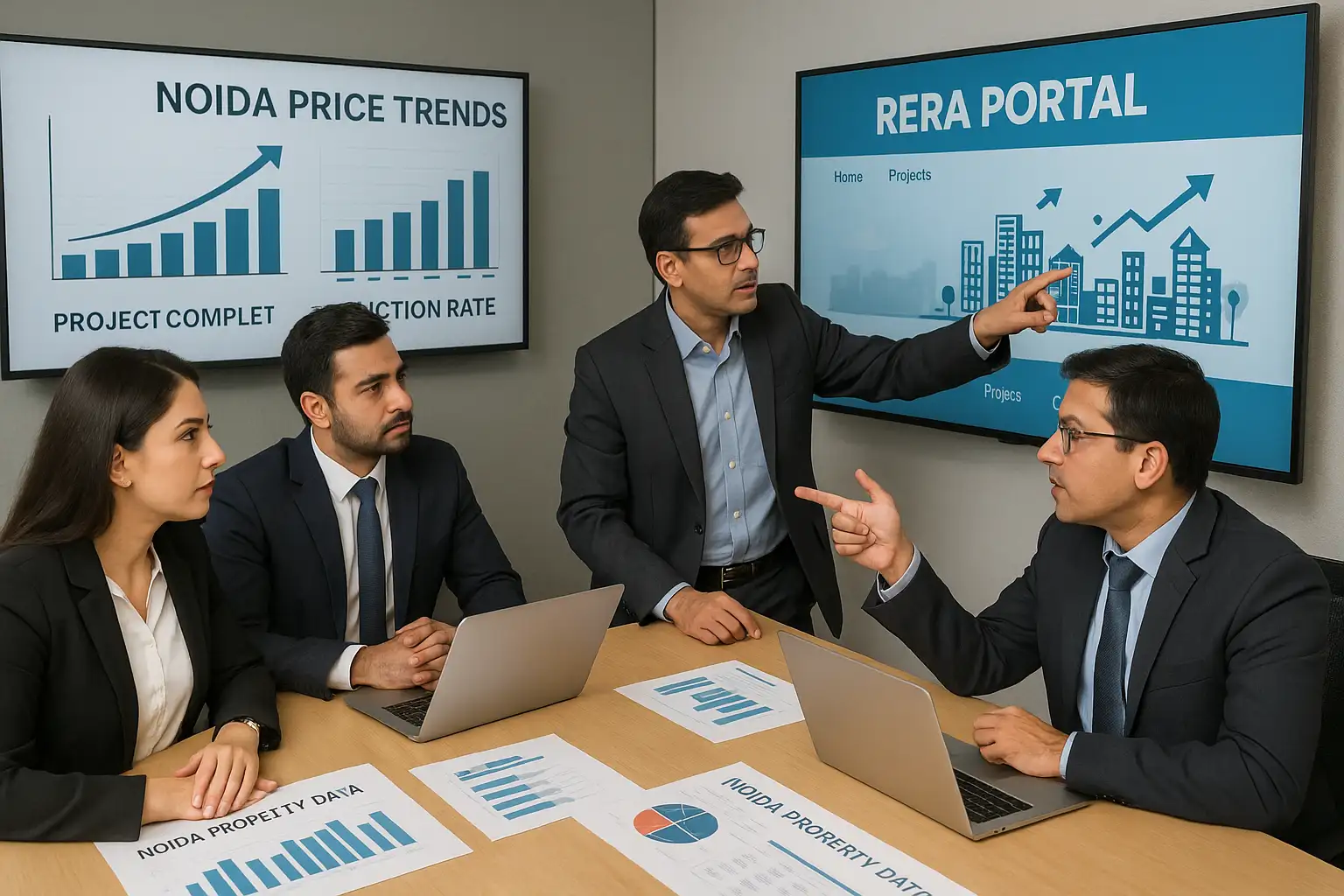
Real estate analysts and investment advisors largely agree that 2025 presents a strategic window for investing in under-construction properties in Noida — provided the buyer exercises caution and does proper due diligence.
According to Ravi Bansal, a property consultant at RealtySquare, “Post-pandemic buyer behavior has shifted toward future-ready projects with strong infrastructure backing. Under-construction homes in Noida sectors like 150, 137, and 94 are poised for long-term growth due to their proximity to expressways, metro lines, and the upcoming airport.”
Legal expert Priya Mehta adds, “The RERA framework has matured in Uttar Pradesh, and buyers are now more protected than they were five years ago. If you stick to RERA-approved projects and reputed developers, the risks are significantly mitigated.”
Moreover, industry reports suggest that Noida’s property values could appreciate by 15–25% over the next three years, especially in areas benefiting from Jewar Airport, Film City, and the Eastern Peripheral Expressway. This makes early-stage investments in the right micro-markets potentially lucrative.
Builders like Godrej, ATS, Tata Realty, and Max Estates have emerged as safer options due to their transparent track records and timely delivery histories.
In summary, experts are optimistic — not just about the city’s macro-growth — but also about the improved regulatory environment that makes under-construction projects in Noida a calculated, rather than speculative, bet in 2025.
Checklist – How to Safely Invest in Under-Construction Projects
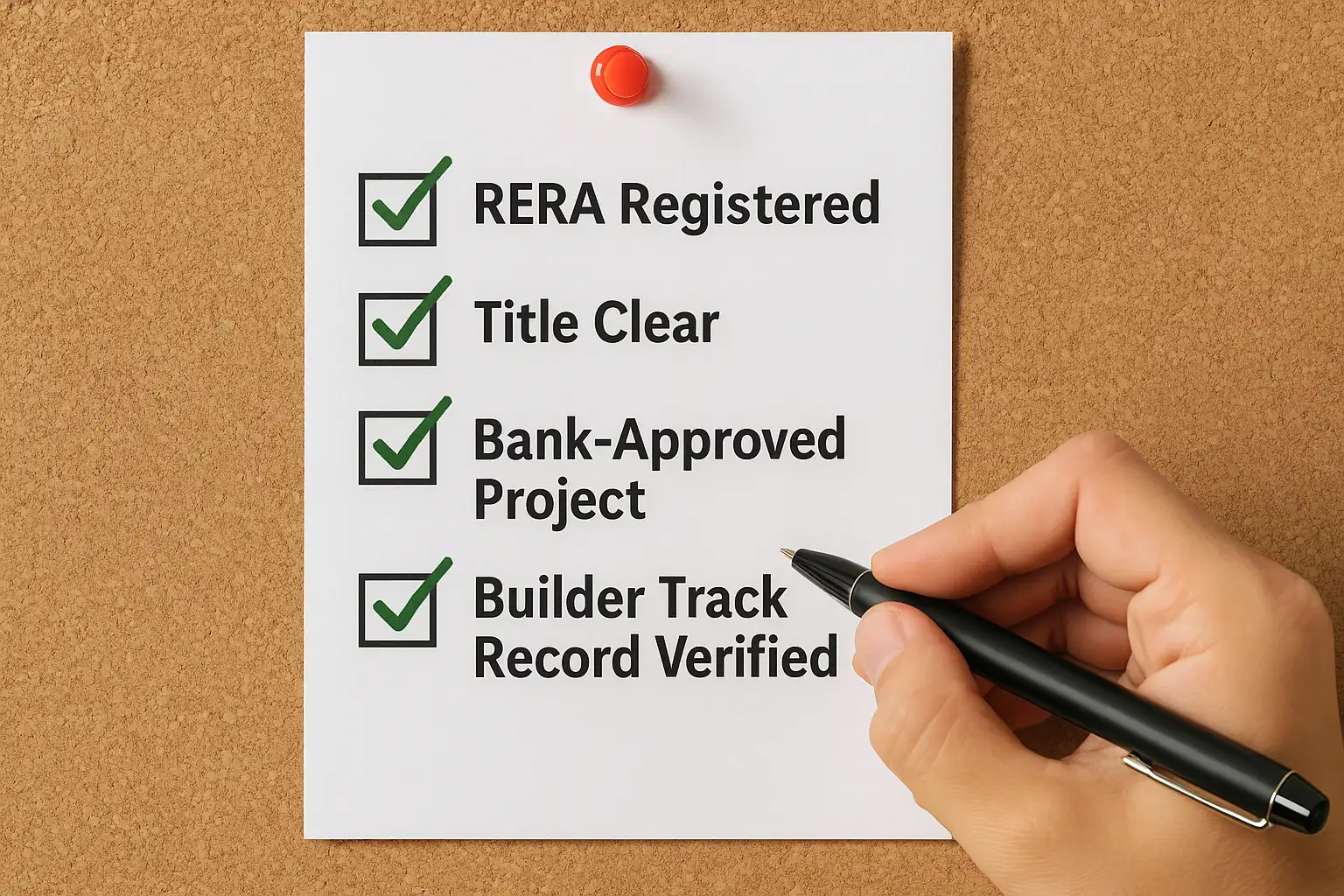
Before committing to any under-construction property in Noida, having a structured checklist can significantly reduce your risk and help you make a confident, well-informed decision. Below are key steps every buyer or investor should follow:
-
Verify RERA Registration: Check the project’s RERA ID on the official UP RERA portal to confirm registration, layout approvals, and timelines.
-
Review Builder’s Past Projects: Look for reviews, delivery history, and legal records of the developer. Avoid builders with delayed or incomplete project records.
-
Check Land Title & Approvals: Ensure the land has clear title ownership, and verify approvals like environmental clearance, layout sanction, and occupancy certificates (if nearing possession).
-
Opt for Bank-Approved Projects: Financing from nationalized or reputed private banks is a strong signal that the project has passed legal and technical due diligence.
-
Assess Construction Progress: Prefer projects that are at least 60–70% completed, reducing the risk of delays and financial uncertainty.
-
Review Payment Plan Carefully: Understand the implications of subvention plans, construction-linked payments, or down payment schemes — and how they affect your loan EMIs.
-
Legal Review of Buyer Agreement: Have a lawyer review your builder-buyer agreement for clauses related to possession timelines, penalties, and refund conditions.
-
Visit the Site Personally: Don’t skip a physical inspection. Look beyond brochures — evaluate the quality of materials, labor presence, and real on-ground progress.
Treating this checklist as a must-follow process ensures that your investment is not only legally sound but also financially strategic.